How to Consolidate Credit Card Debt on Your Own (Complete 2025 Guide)
Managing multiple credit cards can feel like juggling with fire — one wrong move and your finances can spiral out of control. If you’ve ever felt overwhelmed by high-interest payments, missed due dates, or juggling balances, you’re not alone. Millions of Americans are learning how to consolidate credit card debt on their own, and the good news is — you can do it too, without paying a financial advisor or debt settlement company.
What Is Credit Card Debt Consolidation?
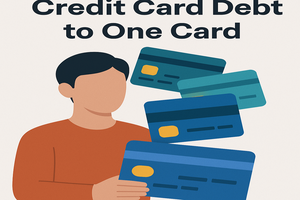
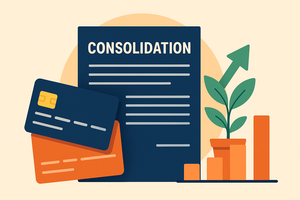
Credit card debt consolidation means combining multiple debts into one manageable payment — usually at a lower interest rate. Instead of paying five different cards with varying due dates, you merge them into a single monthly bill. This makes repayment simpler and can save you money on interest.
For example, if you have three cards with 25%, 22%, and 18% APRs, consolidating them into a single loan with a 12% APR can significantly reduce your total cost. The goal is not just convenience but financial efficiency — paying less in interest while getting out of debt faster.
Why Consider Doing It Yourself (DIY Debt Consolidation)?
Hiring a credit counselor or debt relief company can be expensive — some charge setup fees or take a cut from your payments. Doing it yourself (DIY) gives you complete control over your finances. You can negotiate lower rates, transfer balances, or refinance loans on your own.
Here are the top benefits:
-
No fees or commissions to third parties.
-
Full control over your repayment plan.
-
Faster decision-making with direct lender communication.
-
Improved financial literacy as you learn money management skills.
When you consolidate debt yourself, you’re not just saving money — you’re gaining confidence in managing it.
Evaluate Your Current Debt Situation
Before making a move, you must understand exactly what you owe and to whom. Create a detailed list of:
-
All your credit cards
-
Current balances
-
Interest rates (APR)
-
Minimum monthly payments
-
Payment due dates
Use a spreadsheet or a free app like Mint or You Need A Budget (YNAB) to track it all. This transparency helps you identify which debts are costing you the most and which should be tackled first.
Example:
If your Visa card has $5,000 at 25% interest and your Mastercard has $3,000 at 18%, consolidating or paying off Visa first will save you more long-term.
Set Clear Financial Goals
Ask yourself:
Clear goals help you choose the right method — balance transfer, personal loan, or snowball repayment plan. Without a goal, consolidation can become another temporary fix instead of a long-term solution.
Check Your Credit Score Before Applying
Your credit score determines what options you qualify for. A score of 700+ often qualifies you for low-interest personal loans or 0% balance transfer cards. Lower scores might mean fewer options, but not none.
Use free platforms like Credit Karma or Experian to check your credit. Understanding your score helps you:
Pro Tip: If your score is below 650, focus first on improving it (reduce utilization, make timely payments) before applying for new credit.
Explore DIY Debt Consolidation Options
You have several effective strategies to consolidate debt on your own. Let’s look at the top five methods:
a. Balance Transfer Credit Card
Many banks offer 0% APR balance transfer cards for 12–18 months. This gives you a window to pay down debt interest-free.
Example: If you owe $5,000 and transfer it to a 0% APR card for 15 months, you’ll save hundreds in interest — as long as you pay it off before the promo ends.
Watch out for:
-
Transfer fees (usually 3–5%)
-
Expiration of promotional rate
-
The temptation to use old cards again
b. Personal Loan for Debt Consolidation
A personal loan with a fixed interest rate can simplify payments. You use it to pay off all your credit cards, leaving just one predictable payment.
Pros:
Cons:
c. Home Equity Loan or Line of Credit
If you own a home, you may qualify for a HELOC (Home Equity Line of Credit). These loans have lower rates because your home acts as collateral.
Caution: This method involves risk — if you fail to pay, your home could be at stake. Use only if you’re disciplined and confident in repayment.
d. 401(k) Loan
Borrowing from your retirement fund should be a last resort. While it may offer low interest, you risk penalties and lost investment growth if you can’t repay on time.
e. Debt Snowball or Avalanche Method
If you prefer not to open new accounts, use one of these proven methods:
Both strategies can help you consolidate mentally and financially without external loans.
Compare Interest Rates and Terms
Before choosing a method, calculate the average APR of your debts and compare it with potential new rates.
Example:
If your total debt is $10,000 with an average 23% APR and you qualify for a personal loan at 11%, you’ll save about $1,200 per year in interest. Use online calculators like NerdWallet Debt Consolidation Calculator to model outcomes.
Create a Monthly Budget That Works
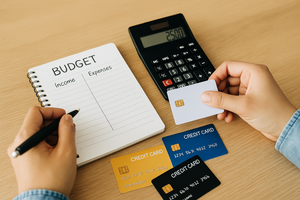
Debt consolidation fails if you don’t manage spending. Build a realistic monthly budget including:
-
Fixed expenses (rent, utilities, insurance)
-
Variable expenses (food, transport)
-
Debt payments
-
Savings/emergency fund
Rule of thumb: Follow the 50/30/20 rule —
-
50% for needs
-
30% for wants
-
20% for debt + savings
Budgeting ensures you stay consistent with repayments while avoiding new debt.
Negotiate Lower Interest Rates with Creditors
You don’t always need a new loan — sometimes, just asking works. Call your card issuers and request a lower APR based on your payment history or new offers from competitors.
Example Script:
“I’ve been a loyal customer for five years, always paying on time. Another bank offered me 14% APR. Can you match or beat that?”
A simple call can save you hundreds per year.
Use Windfalls Wisely
If you receive a tax refund, bonus, or side income, use it to pay off debt instead of spending it. A $2,000 bonus could eliminate one small card balance — freeing more money for other payments.
This approach creates a compounding effect: as your debt shrinks, your credit score rises, and interest costs fall.
Track Your Progress Monthly
Set a fixed date each month to review your balance sheet. Tools like YNAB, Monarch Money, or Excel can help visualize your progress. Seeing your debt drop steadily keeps you motivated.
Create a tracker showing:
-
Starting balance
-
Payments made
-
Interest saved
-
Remaining debt
Reward yourself when you hit milestones — like becoming credit card–free on one account.
Avoid Common Mistakes During Consolidation
Many people fail because they fall into familiar traps:
-
Continuing to use old credit cards
-
Missing payments on new loans
-
Ignoring fees and fine print
-
Failing to budget for emergencies
Debt consolidation works only if you change financial habits along with your repayment structure.
Build an Emergency Fund
An emergency fund prevents future debt. Aim to save at least 3–6 months of expenses in a separate account. Even $25–$50 weekly adds up over time and reduces your dependence on credit during unexpected events.
For instance, if your car breaks down or you lose income, this fund becomes your safety net.
How Consolidation Affects Your Credit Score
Consolidation can temporarily lower your score due to new credit inquiries, but long-term effects are positive:
After 6–12 months of disciplined payments, your score usually rises — sometimes by 50+ points.
When to Seek Professional Help
If your total debt exceeds 50% of your annual income or you’re missing payments regularly, consider speaking to a nonprofit credit counselor. They can help negotiate rates and guide you through legal protections if needed.
However, always research agencies — ensure they’re accredited by the NFCC (National Foundation for Credit Counseling) to avoid scams.
How to Stay Debt-Free After Consolidation
Once you’ve consolidated and paid off your debt, the journey isn’t over. Maintain healthy habits:
-
Pay credit card balances in full each month.
-
Keep utilization below 30%.
-
Track spending with apps.
-
Review your credit report quarterly.
Debt freedom is not just about repayment — it’s about discipline, awareness, and lifestyle control.
Example: Real-Life DIY Consolidation Success Story
Meet Laura, a 34-year-old teacher who had $15,000 spread across four credit cards. She transferred her highest-interest balances to a 0% APR card and used a strict budget to pay $1,000/month. Within 14 months, she became debt-free — saving over $2,800 in interest.
Her secret? Consistency, budgeting, and avoiding new debt. If she can do it, so can you.
Tools and Apps to Help You Consolidate Debt
Here are some useful digital tools to simplify your DIY consolidation process:
-
Credit Karma: Credit score tracking
-
NerdWallet: Loan comparison
-
Tally: Automates payments and interest optimization
-
YNAB: Budgeting and debt tracking
-
Mint: Free expense tracking
Using technology helps you stay disciplined and organized.
Understanding the 2025 Financial Landscape
As of 2025, average U.S. credit card interest rates hover around 23–25% APR, the highest in decades. This makes consolidation more essential than ever. With inflation stabilizing, lenders are offering competitive personal loan rates (10–12%) — making now an ideal time to act.
Consumers who consolidate intelligently can save thousands in interest while improving their credit within a year.
The Emotional Side of Debt
Debt isn’t just financial — it’s emotional. Anxiety, guilt, and frustration can cloud your judgment. Consolidation is a path not just to financial recovery but emotional relief. When your money is under control, stress levels drop and confidence returns.
Celebrate small wins. Every payment brings you closer to financial peace.
Conclusion: Take Control of Your Debt — and Your Future
Learning how to consolidate credit card debt on your own is one of the most empowering financial decisions you can make. With discipline, the right tools, and consistent effort, you can regain control of your finances and move toward a debt-free, stress-free future.
Whether you choose a balance transfer, personal loan, or structured repayment plan — the key is commitment and consistency. Start today. Your future self will thank you.
FAQs
1. Is it possible to consolidate credit card debt without hurting my credit score?
Yes. If done carefully — such as using a balance transfer or personal loan — consolidation can actually improve your score over time by lowering credit utilization and ensuring consistent payments.
2. What is the best method for consolidating debt on your own?
The best method depends on your situation. For low-interest rates, try a balance transfer card. For fixed payments, a personal loan is ideal. If you prefer no new accounts, use the avalanche or snowball method.
3. How long does it take to pay off consolidated debt?
It varies by plan, but most people achieve results in 12–36 months. The key is maintaining discipline and avoiding new credit usage during the payoff period.
4. Can I consolidate debt with bad credit?
Yes, but your options may be limited. Look for credit unions, secured loans, or consider improving your credit score first through timely payments and reduced balances.
5. Should I close old credit cards after consolidation?
Not immediately. Keeping older accounts open helps maintain your credit age, which positively affects your credit score. Just avoid adding new balances to them.