How to Consolidate Credit Card Debt Without a Loan: A Complete 2025 Guide
Managing multiple credit cards with high-interest balances can feel like being trapped in a financial maze. But the good news is — you don’t need a new loan to regain control. In 2025, there are smarter, more sustainable ways to consolidate and eliminate credit card debt without borrowing more money.
Understanding What Credit Card Debt Consolidation Means
Credit card debt consolidation simply means combining multiple credit card balances into one manageable payment plan. Traditionally, this is done through a loan. However, consolidation without a loan involves using strategies that simplify repayment, reduce interest, or strategically pay off debt faster without borrowing new funds.
By consolidating, you can reduce stress, prevent missed payments, and ultimately save money on interest over time.
Why Avoid a Loan for Consolidation?
While debt consolidation loans can lower interest rates, they also come with new debt obligations, potential fees, and a temporary dip in your credit score. If you’re already struggling, adding a new loan might make things worse.
Avoiding a loan helps you:
-
Maintain financial independence.
-
Avoid credit inquiries that could hurt your score.
-
Prevent new monthly obligations.
-
Focus on repayment instead of refinancing.
In short, it’s about solving debt problems using what you already have — not creating new ones.
Start with a Full Financial Assessment
Before applying any method, you must understand your full debt picture. List every credit card you own, including:
-
Balance
-
Interest rate
-
Minimum monthly payment
-
Due date
Once you visualize your total debt load, you can decide which consolidation approach fits best. You might find that one or two cards are responsible for most of your financial pressure — a valuable insight for prioritization.
The Power of Budgeting: Your First Step Toward Debt Freedom
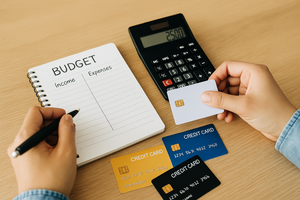
A structured budget is your foundation for consolidating debt without borrowing. Create a monthly budget that separates:
-
Essentials: rent, food, utilities
-
Debt repayments: all credit card minimums
-
Discretionary expenses: entertainment, dining, etc.
By trimming non-essentials and redirecting the savings toward your highest-interest debts, you can accelerate payoff — a method often more powerful than any loan.
The Snowball Method: Small Wins, Big Motivation
The debt snowball method focuses on paying off your smallest credit card balances first while maintaining minimum payments on others. Once one card is paid off, you roll that payment into the next card.
This creates momentum and motivation because you see tangible progress.
Example:
Psychologically, these quick wins make you more disciplined and consistent.
The Avalanche Method: Attack High Interest First
The avalanche method is mathematically faster. Here, you pay off the highest-interest rate debts first. This minimizes the total interest paid and shortens your debt repayment timeline.
Example:
-
Card A: $5,000 at 22% APR
-
Card B: $3,000 at 15% APR
-
Card C: $2,000 at 10% APR
You target Card A first while paying minimums on B and C. Once it’s cleared, move down the list.
Negotiate Lower Interest Rates Directly with Creditors
Credit card companies prefer getting paid something rather than nothing. Call your credit card issuer and ask for a lower APR or hardship program.
Here’s what to say:
“I’ve been a loyal customer, but I’m struggling with high interest payments. Can you temporarily reduce my rate or offer a hardship plan?”
Many creditors offer short-term interest reductions or even freeze rates temporarily. This is one of the easiest ways to “consolidate” debt without outside help.
Transfer Balances Strategically
If your credit score is decent, consider a 0% APR balance transfer credit card. It allows you to move your balances onto one card and pay no interest for 12–18 months.
This isn’t technically a loan — it’s a transfer.
But beware of:
-
Balance transfer fees (typically 3–5%)
-
Promotional period limits
-
The need for strict payment discipline
If used responsibly, this can be a game-changing tool in your consolidation plan.
Create a Self-Consolidation Plan
You can simulate the benefits of debt consolidation without any financial product. Simply designate one “primary payment account” and redirect all debt payments from there.
Steps:
-
Combine all minimum payments into one total figure.
-
Set automatic transfers to each card on due dates.
-
Use a spreadsheet or budgeting app to track progress.
This reduces chaos and ensures consistency — essentially mimicking the function of a consolidation loan but without the risk.
Debt Management Plans (DMPs) Through Credit Counseling
A Debt Management Plan (DMP) is a structured program offered by nonprofit credit counseling agencies. They negotiate lower interest rates and create one manageable monthly payment plan.
You pay the agency once a month, and they distribute payments to creditors. It’s not a loan, and it often includes reduced fees and frozen interest.
Be sure to choose a reputable nonprofit such as the National Foundation for Credit Counseling (NFCC).
Automate Your Payments to Avoid Late Fees
Automation ensures you never miss a payment — protecting your credit score and preventing late fees.
Set up automatic minimum payments for every card, then manually pay extra on your chosen “priority card.” This reduces stress and keeps your financial progress consistent month after month.
Use the Envelope System for Spending Control
The envelope budgeting system is old-school but effective. Assign envelopes for each spending category — groceries, gas, entertainment — and fill them with cash or digital equivalents.
When the envelope is empty, stop spending. This method physically limits overspending and channels leftover funds toward debt repayment.
Increase Income to Accelerate Payoff
Sometimes, cutting expenses isn’t enough. Look for ways to generate extra income to fuel your debt repayment:
-
Freelancing or side gigs (writing, design, tutoring)
-
Selling unused items online
-
Taking part-time remote jobs
Even an extra $200–$300 a month can significantly shorten your debt timeline.
Prioritize High-Impact Expenses to Cut
Target non-essential subscriptions and recurring costs:
Redirect those savings into your “debt attack fund.” Over time, these small cuts can free hundreds of dollars monthly for repayment.
Use Windfalls Wisely (Tax Refunds, Bonuses, Gifts)
Any unexpected income — tax refunds, bonuses, or cash gifts — should go directly to your highest-interest debt. Avoid the temptation to splurge; instead, use these windfalls strategically to accelerate your debt-free journey.
Track Progress and Celebrate Milestones
Tracking your debt payoff keeps you motivated. Use a debt tracker app or visual chart on your wall to see balances shrink month by month.
When you pay off a card, celebrate — but stay disciplined. Reward yourself modestly without derailing your progress.
Seek Professional Financial Counseling
If your debt feels unmanageable, talk to a certified financial counselor. They can help design a tailored plan without pushing loans or credit products.
Look for accredited agencies such as:
These experts can negotiate with creditors, educate you on budgeting, and create realistic repayment goals.
Protect Your Credit Score During Consolidation
While consolidating without a loan is safer, missteps like missed payments or closed accounts can still affect your credit score.
Tips to protect your score:
-
Always make on-time payments.
-
Keep old accounts open after paying them off.
-
Maintain credit utilization below 30%.
Over time, your score will improve naturally as your balances decrease.
Avoid Common Mistakes in DIY Debt Consolidation
Avoid these pitfalls:
-
Paying only minimums — it prolongs debt.
-
Transferring balances repeatedly — leads to more fees.
-
Ignoring small debts — they grow fast with interest.
-
Closing old cards too soon — can hurt credit age and score.
Stay consistent, and remember: consolidation is a process, not a one-time fix.
Stay Debt-Free Once You’re Out
Once you’ve consolidated and cleared your balances, prevent relapse by:
-
Avoiding unnecessary credit card use.
-
Building an emergency fund (3–6 months of expenses).
-
Paying your full balance each month.
-
Setting financial goals like investments or savings targets.
Financial freedom isn’t just about paying off debt — it’s about never falling back into it.
Conclusion
Learning how to consolidate credit card debt without a loan isn’t just about numbers — it’s about regaining control and confidence. By combining discipline, strategy, and smart money habits, you can break free from the debt cycle without relying on new loans or high-interest solutions.
Whether you choose the snowball, avalanche, or a structured DMP — your journey toward debt freedom in 2025 starts with one decision: take control today.
FAQs: How to Consolidate Credit Card Debt Without a Loan
1. Can I really consolidate credit card debt without borrowing money?
Yes. You can use methods like budgeting, snowball or avalanche repayment, balance transfers, or credit counseling — none of which require a new loan.
2. How long does it take to pay off credit card debt using these methods?
It depends on your debt amount and payment consistency. With strategic payments and budgeting, most people can become debt-free in 1–3 years.
3. Will my credit score improve after consolidation?
Yes, as long as you make consistent on-time payments and lower your credit utilization rate. Your score may temporarily dip but will recover with discipline.
4. What is the best debt repayment method — snowball or avalanche?
The avalanche method saves more on interest, while the snowball method builds motivation through quick wins. The best one depends on your personality and goals.
5. Are debt management plans safe?
Absolutely. Reputable nonprofit agencies manage them transparently, helping you lower interest and consolidate payments without any new loans.
6. Should I close credit cards after paying them off?
Generally, no. Keeping them open maintains your credit history and utilization ratio, both important for a healthy credit score.